
August 26, 2026: Ensuring Quality
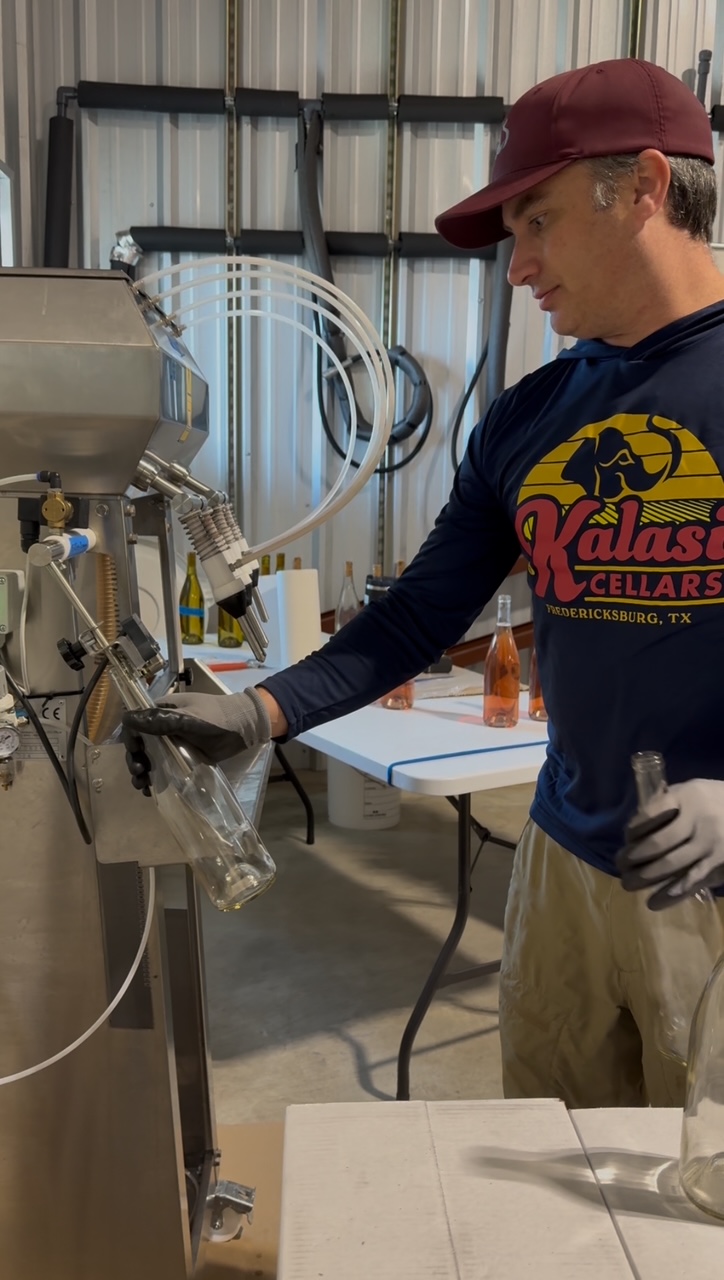
Having just covered winemaking chemistry and quality control in my last two posts, I wanted to show you how both actually play out in real-time at Kalasi Cellars.
Before I transitioned to winemaking, I worked in management consulting. My projects ranged from front-page M&A transactions to shared service efficiency, but every single project relied on one common thread: a strong framework. The cellar is no different. We document every addition, track numerous metrics, and rely on standardized checklists so nothing falls through the cracks, even if our team changes over time.
Vineyard to Crush Pad
Our quality process starts long before fruit hits the press. Throughout harvest, grape growers send us regular Brix (sugar level) and pH readings. We log these updates by date, varietal, and row numbers in dedicated harvest tracking sheets. This historical log lets us track ripening curves year-over-year, flag sampling errors (like a sudden, non-linear spike in sugar), and document why we chose a specific pick date—like rushing to harvest ahead of an incoming rainstorm.
Once the grapes arrive at the winery, we run initial Brix and pH checks, and track fruit loss through our optical sorter. Clean picking in the vineyard pays off here; high-quality fruit allows the sorter to work with incredible precision, leaving us with only the best berries.
While vineyard data gives us a great baseline, our lab equipment is significantly more precise than standard field tools. Re-checking pH ensures we are setting up a healthy environment for fermentation. Confirming Brix gives us an accurate estimate of potential alcohol, helps us select a yeast strain capable of handling that specific sugar load, and confirms that wild fermentation hasn’t unexpectedly started en route. It is also common for raisined grapes to rehydrate during the drive from the Texas High Plains down to Fredericksburg, causing Brix to jump higher than the initial vineyard sample. Spotting these shifts early is critical so that we can make the right winemaking decisions.
Managing Fermentation
Once the sorted grapes are prepped and baseline stats are locked in, we log all additions—like yeast inoculations and nutrients—and begin daily monitoring of Brix and temperature.
Primary alcoholic fermentations follow a distinct curve: a slow drop during the lag phase, a steep decline during the active log phase, and a smooth taper as the yeast consumes the last remaining sugars. Daily temperature checks keep the yeast in their target comfort zone. If a fermentation runs too warm, we risk burning off delicate aromatic compounds or killing the yeast entirely. If it drops too cold, the process stalls out.
Tracking these daily trends lets us predict exactly when a lot will be ready for the press. We plot these figures digitally for quick visual checks, but we also maintain paper logs by the bin to record yeast strains, pH measurements, and real-time winemaker decisions with our commentary on why we did what we did.
Pressing, MLF, and Cellar Tracking
After pressing the must, we measure tank volume, sugar, and pH once again. Because we typically press just before fermentation reaches absolute zero, we continue tracking Brix until the wine goes completely dry.
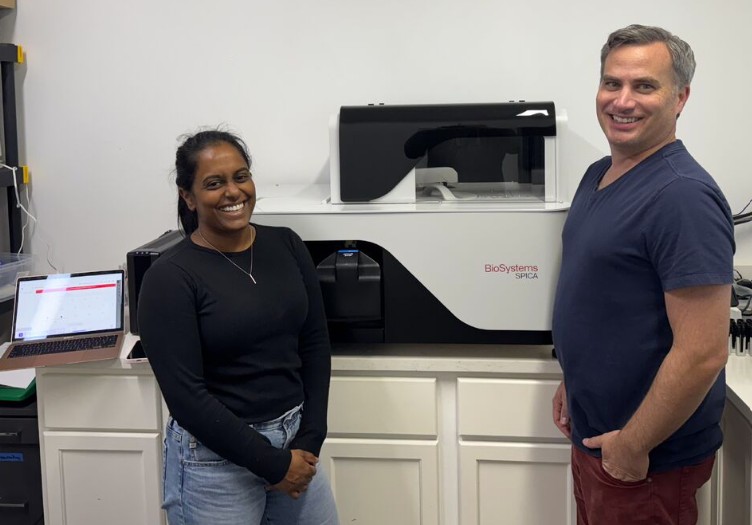
Next comes secondary malolactic fermentation (MLF), which converts sharp malic acid into softer lactic acid. MLF requires less hands-on intervention than primary fermentation. We inoculate the tank with MLF bacteria and check in periodically using either paper chromatography (an acid test that ends up looking a bit like children’s finger painting) or our Spica analytical machine. All paper chromatograms are labeled and archived with our harvest records, while Spica runs populate our main digital lab log.
Once MLF wraps up, harvest is officially complete, and it is time to barrel down.
We track every individual barrel in our cellar using a digital inventory system. Each barrel carries a unique ID logging its vintage, oak profile (new, one-year-old, or neutral), fill date, top-off schedule, and commentary. When it comes time for blending or bottling, we know the exact history of every vessel.
Blending, Final Testing, and Flaw Prevention
Before creating final blends, Nikhila and I taste through every single barrel in the cellar and score them. We flag any barrel that isn’t performing up to standard and occasionally set aside compromised lots. From there, we build bench samples of potential blends, fine-tuning ratios until we hit the exact balance we want. These final blend notes serve as our operational roadmap for finishing, ordering labels, and bottling.
As assembling begins, lab testing ramps up significantly. We run comprehensive panels for volatile acidity, titratable acidity, pH, residual sugars (glucose/fructose), and free SO2. Everything gets logged into our master tracking sheet alongside a physical finishing worksheet for each wine, which logs total volume, filtration steps, cold/heat stability testing, blend ratios, and final case counts.
One unique tool on our finishing worksheets is a reference list of obscure wine flaws and their sensory descriptors. While rare, we want everyone on our cellar team—regardless of experience—empowered to spot an off-aroma and halt production before a questionable wine reaches a bottle.
You might wonder why Nikhila and I don’t just rely on our own palates, given that we taste every barrel. The reality is that every human has different detection thresholds for specific compounds. A minor flaw that goes unnoticed by 98% of people might make a wine completely unpalatable to the remaining 2%. Having concrete reference checks serves as our insurance policy against individual blind spots or sensory fatigue.
Ultimately, keeping our quality high comes down to disciplined testing, structured digital tracking, reliable paper records, and a team culture where anyone can raise a hand if something isn’t right.